

Last updated: 22 Dec 2025 10:00 Posted in:
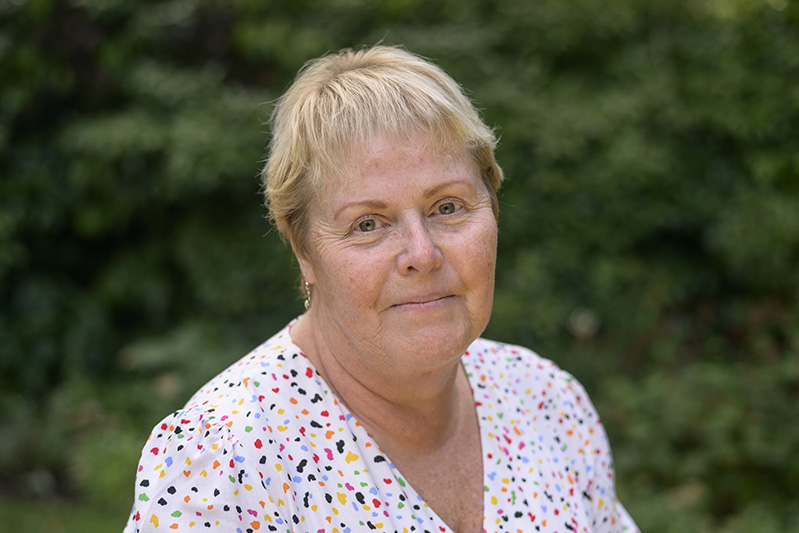
Linda Richards is Vice President of the AIA and a Fellow member of the body. She is also an accomplished Finance Director with over 30 years of experience in television production finance, bringing extensive expertise in management accounting, financial reporting, auditing and taxation.
Linda joined Wildstar Films in 2018, when it was a small independent start-up with just four employees. Since then, she has played a pivotal role in the company’s growth to over 100 staff and a turnover of £25 million. As part of the senior management team, she leads on finance and business planning, combining strategic insight with hands-on commercial acumen to support the company’s continued expansion and creative success.
Before joining Wildstar Films, Linda held senior finance roles at BBC, ITV, Endemol Shine UK and other leading independent producers. Her impressive career includes work on some of television’s most iconic and diverse productions, such as The Antiques Roadshow, The Natural World, I’m a Celebrity… Get Me Out of Here!, A Year in the Wild, Dian Fossey: Secrets in the Mist, The Great British Bake-Off, and Wildstar’s own Emmy-winning Queens and Animals Up Close with Bertie Gregory.
Linda and her team were named PQ Magazine’s Accounting Team of the Year (2025) and were finalists in the 2023 Accounting Excellence Awards – Finance Director of the Year category.
I’ve never thought of myself as a boring person – and none of the accountants I’ve met or worked with could ever be described that way either. They’re curious, interesting and fun people who know how to enjoy life! So why the stereotype? Many people confuse dedication, attention to detail and compliance with being dull. But I can honestly say that after 35 years of working in television accounting, I’ve never been bored for a single day.
More than numbers: a career in management accounting
While many accountants begin their careers in large firms or small private practices, undertaking audits or preparing annual accounts, my path has been different. I’ve always seen myself as a management accountant and business partner, working closely with production teams, executives and creatives to make great television happen.
Working in TV is incredibly varied. Of course, core accounting skills are essential – and I have drawn upon all my training over the years – but so are legal, tax and people skills. I’ve read and negotiated contracts and leases, applied for Television Tax Credits to help fund high-end productions, navigated HMRC systems to manage payroll and VAT, brought together teams, and translated complex forecasts into something meaningful for non-financial colleagues.
I’ve also undertaken systems implementations, where planning and attention to detail is key, and an understanding of accounting principles is vital to achieve the desired outcome.
The many faces of finance in television
The television industry offers a range of finance roles that are of interest to a trained accountant, and make full use of their expertise. In large corporations like the BBC, ITV or Netflix, you’ll find structured finance teams with roles ranging from purchase ledger assistants to management accountants, finance directors and CFOs. Many independent production companies have a similar structure, meaning there are plenty of opportunities to ‘get into TV’ through a finance position – just as in most other industries.
But television also has its own unique roles for accountants:
Finance leaders are responsible for ensuring that complete and accurate accounts are maintained and that all regulatory reporting occurs and is compliant. There may also be regular upward reporting to parent organisations. Finance teams also play a growing role in sustainability reporting, helping their companies to assess risks and identify opportunities to make smarter, greener business decisions and meet the required standards.
The joy of seeing your work on screen
Of course, there are unique perks to working in television accounting. Seeing your name in the end credits of a show, or being part of an award winning production, is amazing. There have been plenty of memorable moments too — like the time I looked out the BBC Natural History Unit’s office window to see a reindeer wandering through the car park, or when I was suddenly handed a microphone to give a live ‘on air’ update for Children in Need’s fundraising total!
Over the years, I’ve learned a lot about filming, equipment, editing and post production – enough to watch TV with a more ‘critical eye’ than a general viewer. But I still love working the industry and what it contributes to society.
Why you should consider accounting in television
If you enjoy variety, creative collaboration and thinking beyond the balance sheet, television accounting could be your perfect career. It’s a world where numbers meet creativity, where financial insight helps bring stories to life, and where no two days are ever the same. After 35 years in the industry, I can honestly say I’ve loved every moment – and I hope many more young accountants will get the chance to experience it too.
"The television industry offers a range of finance roles that are of interest to a trained accountant."
Linda Richards, AIA Vice President