

Last updated: 05 Jan 2026 10:00 Posted in:
The UK is a nation full of small business owners – but not always a nation that equips people with the financial mindset or skills needed to thrive as entrepreneurs. Across the country, there are 5.3 million sole traders and small businesses with up to nine employees. Collectively, they provide 8.6 million jobs and contribute £680 billion to the economy, forming the backbone of UK enterprise. Yet many of these business owners lack one of the most essential skills for long-term success: financial confidence.
According to Xero’s new research, which focuses on the UK’s smallest businesses (those with up to nine employees), there is a clear disconnect between perception and reality. While four in five small business owners (83%) say they feel confident managing their finances, more than half of accountants and bookkeepers (56%) believe that most of these businesses start out without the financial skills they need. Worryingly, nearly three quarters (74%) of small business owners admit to having made at least one significant financial mistake.
These are not just occasional slip-ups – they point to a deeper, systemic issue. Many small business owners simply ‘don’t know what they don’t know’, leading to poor decision making, missed opportunities and unnecessary stress. For accountants and bookkeepers, this financial confidence gap represents both a challenge and a significant opportunity: the chance to play a more proactive, educational role in helping clients build the financial skills and confidence they need to run stronger, more resilient businesses.
Misinformation and the early skills gap
Financial misinformation has become a silent yet serious barrier for small business owners. Nearly half of accountants and bookkeepers surveyed (45%) believe that poorly informed conversations – often taking place in social settings like the pub – are helping to spread damaging financial myths. These misconceptions frequently lead small businesses to make costly and entirely avoidable mistakes, with regulations around expenses being among the most misunderstood areas.
Half (50%) of accountants surveyed have worked with clients who wrongly assumed that the government would reimburse their business expenses. A third (33%) reported encountering business owners unaware that dividends are taxable, and nearly one in ten (9%) still believe they do not need to declare all income to tax authorities. The consequences of such misunderstandings can be severe. In the past two years, two in five (39%) small businesses have failed to claim all eligible expenses, while a quarter (26%) have not set aside enough money for tax or have submitted a late tax or VAT returns.
Importantly, these issues do not stem from a lack of effort. Small business owners are often overstretched, juggling multiple roles with limited time and little structured financial guidance. This is where accountants and bookkeepers can make a real difference. They are consistently rated as the most trusted source of financial advice – an overwhelming 98% of small business owners say they find their accountant’s guidance helpful.
The skills gap starts early
The small business financial skills gap does not start when a company is formed – it begins much earlier. Seven in ten (70%) small business owners say financial literacy receives almost no attention in schools, and more than half (53%) of accountants and bookkeepers agree. As a result, many adults lack confidence in fundamental financial concepts such as cash flow, tax obligations and profitability.
A quarter (28%) of small business owners admit that they do not think of themselves as ‘a numbers person’ with the figure rising to 32% among women and 38% among 18 to 34 year-olds. While embedding financial literacy in the national curriculum will require government action, accountants are already in a strong position to help close the gap. By taking a more hands-on, educational approach with their clients – explaining concepts, guiding better financial decisions, and demystifying tax and compliance – they can not only build confidence and trust but also strengthen long-term client relationships and support sustainable business growth.
Moving to confident decision making
Accountants have long been the trusted partners of small businesses and are uniquely positioned to bridge the gap between raw financial data and confident, informed decision making. Their role extends far beyond bookkeeping, filing returns and tax compliance – every client interaction is an opportunity to help business owners understand their numbers and use them strategically.
By normalising financial conversations, accountants can help to demystify what often feels intimidating or overwhelming for clients. Many small business owners experience ‘data dread’, feeling anxious when faced with financial statements or unfamiliar terminology. Encouraging open, jargon-free discussions can empower them to take greater control of their finances and decision making.
Simple, practical steps can make a big difference in boosting financial confidence. Accountants can run short sessions on cash flow planning, share tips on record keeping to make tax preparation less daunting, or demonstrate how digital tools can streamline processes and reduce manual errors. By taking a proactive approach to educating clients on the fundamentals of financial management – and helping them to use technology effectively – accountants can help their clients to feel more engaged with their business data and feel confident in making decisions.
The role of digital tools in building financial confidence
Digital technology has transformed how many larger SMEs operate, but the smallest businesses have been slower to adopt it. While more than half (55%) of accountants and bookkeepers believe that stronger digital skills would significantly improve the financial management of small businesses, three quarters (75%) of microbusinesses believe digital tools are designed for larger companies, not for them.
This hesitation is understandable. Many small business owners are focused on day-to-day survival and don’t have the time or support to research and adopt new technology. However, the benefits of digitisation are undeniable. Automating routine financial tasks, keeping accurate records and accessing real-time financial data all help business owners to understand their position clearly, plan ahead with confidence and make better informed decisions.
Accountants are ideally placed to guide clients through the noise – and the sometimes confusing digital landscape. By recommending tools that are suited to the size and nature of each business – and by sharing examples of what has worked for similar clients – they can help overcome hesitation and build trust in technology. This also opens new opportunities for accountants and their practices to expand their advisory role through digital app consultancy and ongoing client support.
Making Tax Digital for Income Tax will be a catalyst
The introduction of HMRC’s Making Tax Digital for Income Tax (MTD for IT) in April 2026 is set to be a major catalyst for improving financial literacy among small businesses and sole traders. The initiative will initially apply to sole traders and landlords earning over £50,000 before expanding to those with lower turnovers in future phases.
However, awareness of MTD for IT remains worryingly low. One in five (19%) of those affected have not heard of it at all, a quarter (24%) have heard of it but know little about what it entails, and half (49%) find HMRC’s official information confusing. Overall, one in four (26%) sole traders and landlords – regardless of their turnover – have never heard of the scheme.
This lack of understanding risks is causing unnecessary stress and non-compliance as implementation deadlines draw nearer. Accountants can therefore play a crucial role in helping their clients through the transition. By explaining what MTD for IT means in clear, practical terms – and by demonstrating how digital recordkeeping can simplify processes – they can help clients to adapt.
Beyond MTD for IT, the broader complexity of the UK tax system continues to challenge small businesses. Larger companies may have the resources to draw on specialist expertise, but smaller businesses often lack that support. They need accessible advice and intuitive systems, which is where accountants and bookkeepers can support better financial understanding and remove the barriers to growth.
Building a more confident small business community
Improving financial literacy is not only about avoiding mistakes – it’s also about creating the right conditions for growth. When small business owners truly understand their numbers, they can make better decisions, take calculated risks and build stronger, more resilient businesses.
Accountants are absolutely central to this change. With their technical expertise, trusted relationships and practical understanding of business realities, they are uniquely placed to turn financial uncertainty into clarity. Accountants can help to shape a future where every small business owner feels confident about their finances.
The financial skills gap facing small businesses is a complex and deep challenge, but it is one worth tackling. Every small business owner should have the opportunity to build and grow their business with confidence, without the fear and anxiety of ‘not knowing the numbers’. Empowering small business owners with the tools, knowledge and support to manage their finances effectively is not only good for individual businesses – it’s vital for the health and resilience of the wider economy.
Tackling the problem together
Accountants and bookkeepers can’t close the financial literacy gap on their own – but they can lead the way. They already hold the trust, data and insight to drive lasting change for small businesses. By using that influence collectively – through mentoring, advocacy and education – the profession can help to reshape the financial future of the UK’s small businesses community.
To play your part, Xero has launched a free education and mentoring programme designed to help small business owners improve their financial understanding. This includes a series of short videos and guides that easily fit into small business owners’ busy schedules and cover the basics – from cash flow fundamentals and budgeting to interpreting financial statements.
The programme is supported by the Xero For Good Ambassador network, which connects small business owners – particularly those from underrepresented groups – with volunteer accountants and bookkeepers for one-to-one mentoring.
Xero has also established a Financial Confidence Taskforce to campaign for stronger national support and better access to financial education. The taskforce brings together leading voices in the sector, including Martin Bissett (author and Young Money Ambassador), Sarah Poretta (CEO of Young Enterprise) and Zoe Whitman (co-founder of The 6 Figure Bookkeeper podcast), among others. Together, we are working to shine a light on the issue and push for real, systemic change for the entrepreneurs of today and into the future.
Author Bio
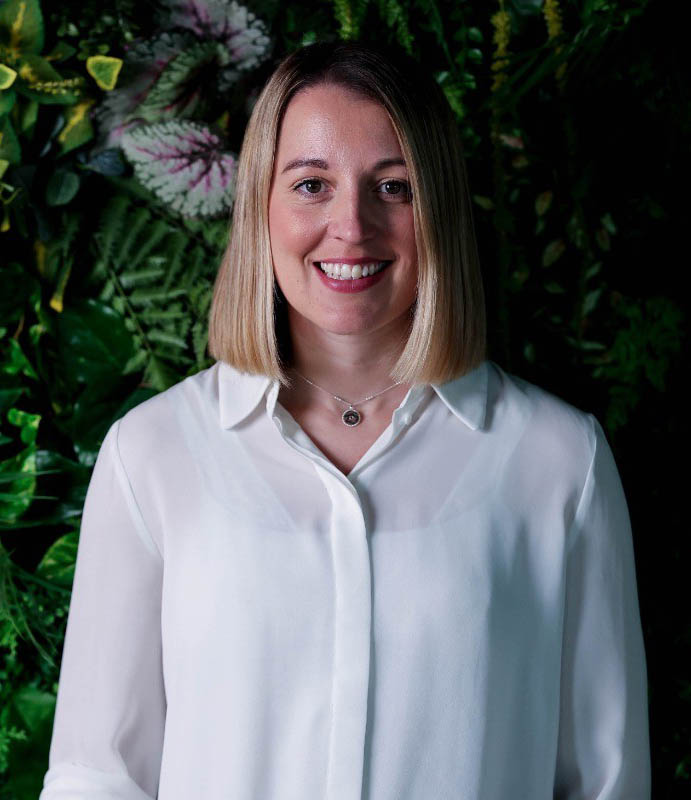
Kate Hayward
Managing Director
Xero
"Simple, practical steps can make a big difference in boosting financial confidence."
Kate Hayward, Managing Director, Xero